November 3
WINNAAR LAATSTE RONDE GGC-COMPETITIE HARRY RUUMPOL. IN EEN VAN DE KOMENDE BUDGIE UITGAVEN ZIJN DE TIEN BESTE VOGELS TE ZIEN. BIJ DEZE TIEN VOGELS WAS NIET DEZE JONGE HEMELBLAUWE MAN VAN WIM HATTINK, DIE WEL VEEL INDRUK MAAKTE MAAR CONDITIONEEL TE VEEL MOEST LATEN LIGGEN DOOR HET MISSEN VAN STAARTPENNEN. MAAR VOOR DE LEZERS DIE […]
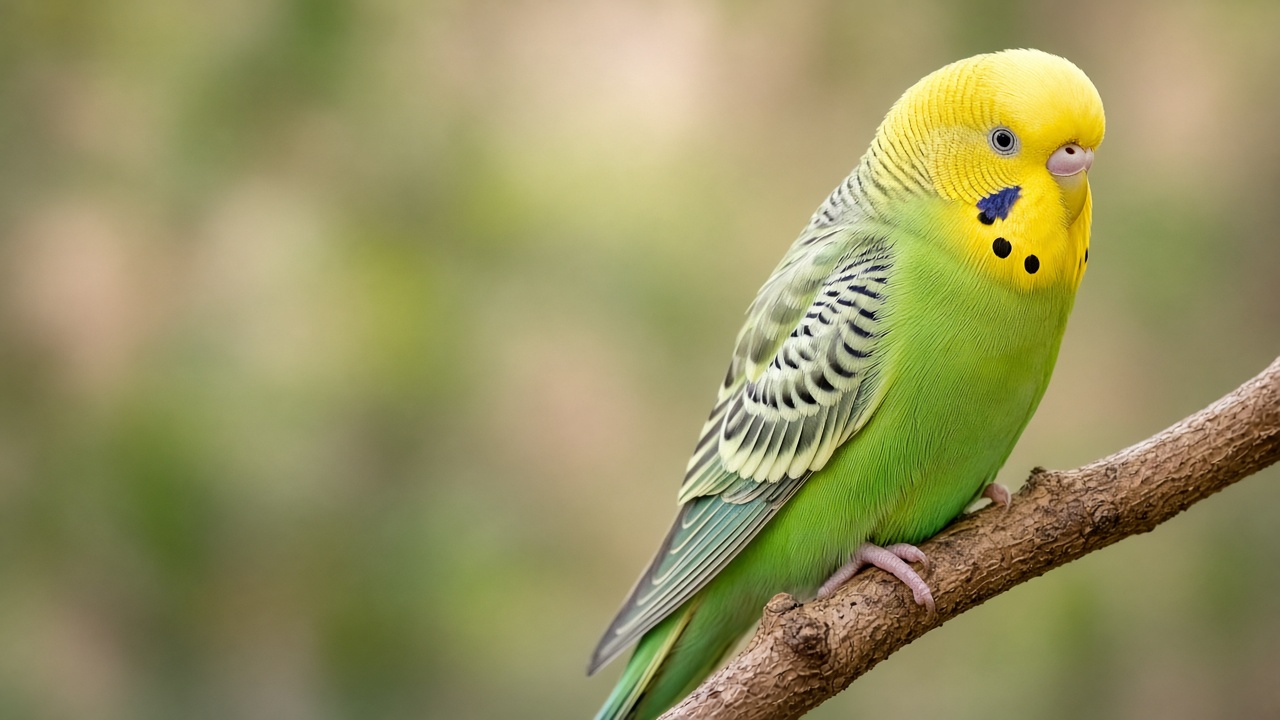
 WINNAAR LAATSTE RONDE GGC-COMPETITIE HARRY RUUMPOL.
IN EEN VAN DE KOMENDE BUDGIE UITGAVEN ZIJN DE TIEN BESTE VOGELS TE ZIEN. BIJ DEZE TIEN VOGELS WAS NIET DEZE JONGE HEMELBLAUWE MAN VAN WIM HATTINK, DIE WEL VEEL INDRUK MAAKTE MAAR CONDITIONEEL TE VEEL MOEST LATEN LIGGEN DOOR HET MISSEN VAN STAARTPENNEN. MAAR VOOR DE LEZERS DIE NOG GEEN LID ZIJN VAN DE GGC DEZE VOGEL EVEN IN GROOT FORMAAT.

EEN HEEL ANDERE VOGEL DIE NIET OPVIEL DOOR ZIJN BEVEDERING EN POSTUUR EIGENSCHAPPEN MAAR DOOR ZIJN MOOIE KLEURCONTRAST WAS ONDERSTAANDE AUSTRALISCHE GEELMASKER MAN. EEN VOGEL UIT ONZE GEELMAKSER LIJN DIE TERUG GAAT OP DE EERSTE VOGELS DIE JOS HEEFT AANGESCHAFT BIJ DANIEL LUTOLF EN WAAR IK IN DIE TIJD, TOEN JOS NOG IN IERLAND WOONDE, NAKWEEK VAN HEB MEEGENOMEN NAAR RAALTE. NATUURLIJK GAF DIT WEER DE NODIGE DISCUSSIE OVER DE KLEUR. DE MOEDER VAN DEZE VOGELS WAS EEN AUSTRALISCHE GM CINNAMON ENKEL FACTORIG EN DE VADER EEN UITERLIJK DONKERGROENE OPALINE MET EEN OPVALLENDE INTENSIEF GELE KOP, HET IS DAN OOK EEN GEELMASKER.

WIE MEER WIL WETEN OVER DEZE VARIETEIT VERWIJS IK NAAR HET ARTIKEL VAN PETER BERGMAN VERTAALD DOOR INTE ONSMAN http://home.versatel.nl/onsman1/geelmask.htm
ONDERSTAANDE DE KLEURIDENTIFICATIE DOOR KEN YORKE IN ZIJN ARTIKEL OVER AUSTRALIEN YELLOW FACE (GOLDEN FACE) AN AUSTRALIAN PERSPECTIVE. http://users.tpg.com.au/users/kyorke/AUSTRALIAN%20YELLOWFACE.pdf
VISUAL DESCRIPTION
All yellowfaces can be double factor, or combined with blue to become single factor. In each case the
double factor has less yellow in both body and wings than the single factor.
1a) AYF double factor has a bright yellow (golden?) face (approaching the face
colour of a normal green) The body ideally should be approaching the colour of a normal
blue, but spillage of yellow from the mask into the upper chest is common giving shades of
turquoise in this area. Wing markings should ideally be white but some yellow spillage is
common.
1b) AYF single factor has a bright yellow (golden?) face (approaching the face
colour of a normal green). Wing markings usually heavily suffused with yellow. It has a body
colour that is turquoise. In many exhibition standards this turquoise colouring is heavily
penalised, but the reality is that this IS the true colour the bird should be according to nature.
Should exhibition standards be modified to account for this or does this bird become
penalised out of existence or made non-standard, either of which will severely reduce the
quantity of the so-called “desirable” AYF double factors being bred as well.
2a) EYF1 double factor has a white face and in most cases cannot be visually
distinguished from traditional normal blues. (I suspect that some double factors do indeed
have a very small retention of very pale yellow on some feathers.)
2b) EYF1 single factor has a pale yellow face. These have been nicknamed as
creamface or lemonface. The body colour is very close to normal blue. Wing markings close
to white.
3a) EYF2 double factor has a pale to mid yellow face. The body colour is
suffused with yellow giving a slight turquoise. Wing markings suffused with pale yellow
3b) EYF2 single factor is similar to EYF2 double factor but slightly more
yellow..